HomeApplicationsTechnical Textiles

Application — Technical Textiles

Performance textiles built from a fiber, not a finish

Yarns, nonwovens and engineered fabrics where the performance comes from fiber architecture.

Section 01

The application challenge

Most performance textiles achieve their function through a finish or a synthetic fiber. Both approaches carry a durability question — finishes wash out, and synthetics carry a microfibre and end-of-life burden.

Technical textile buyers need repeatable, characterized inputs that run on installed spinning and nonwoven equipment. A material that requires new machinery rarely reaches production.

Hand-feel and comfort remain commercial requirements even in technical applications, which rules out many coarse natural fibers.

Section 02

Our material approach

Tenzyle states measured values and their test standards. Application-level performance is validated with the partner rather than claimed in advance.

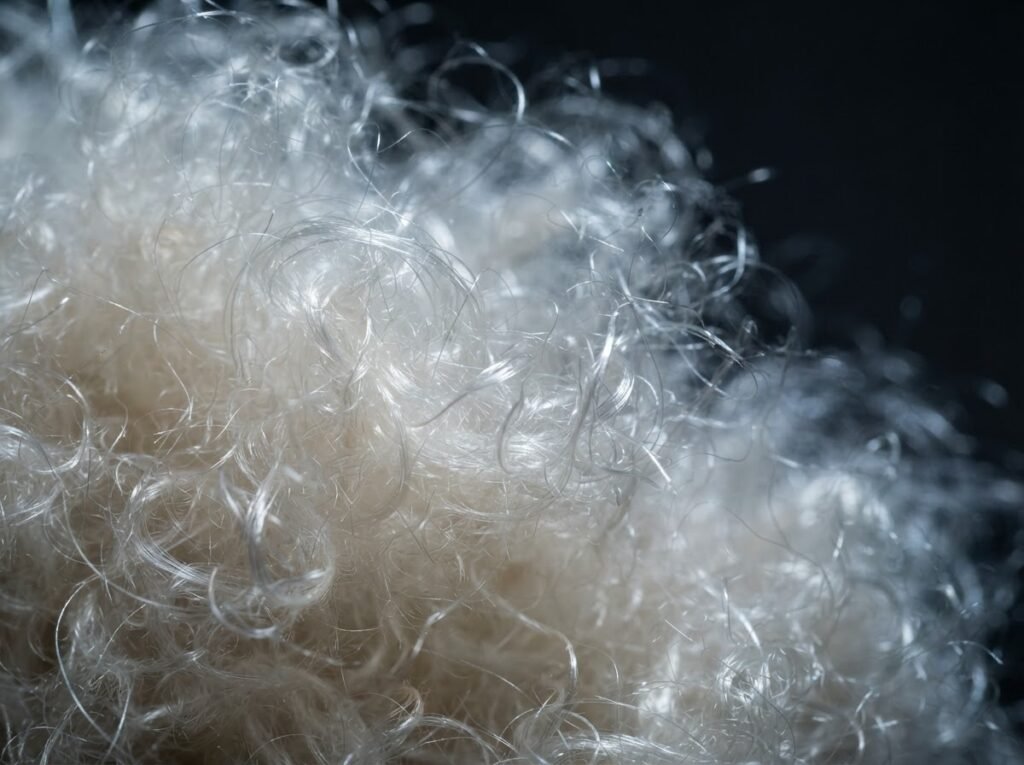
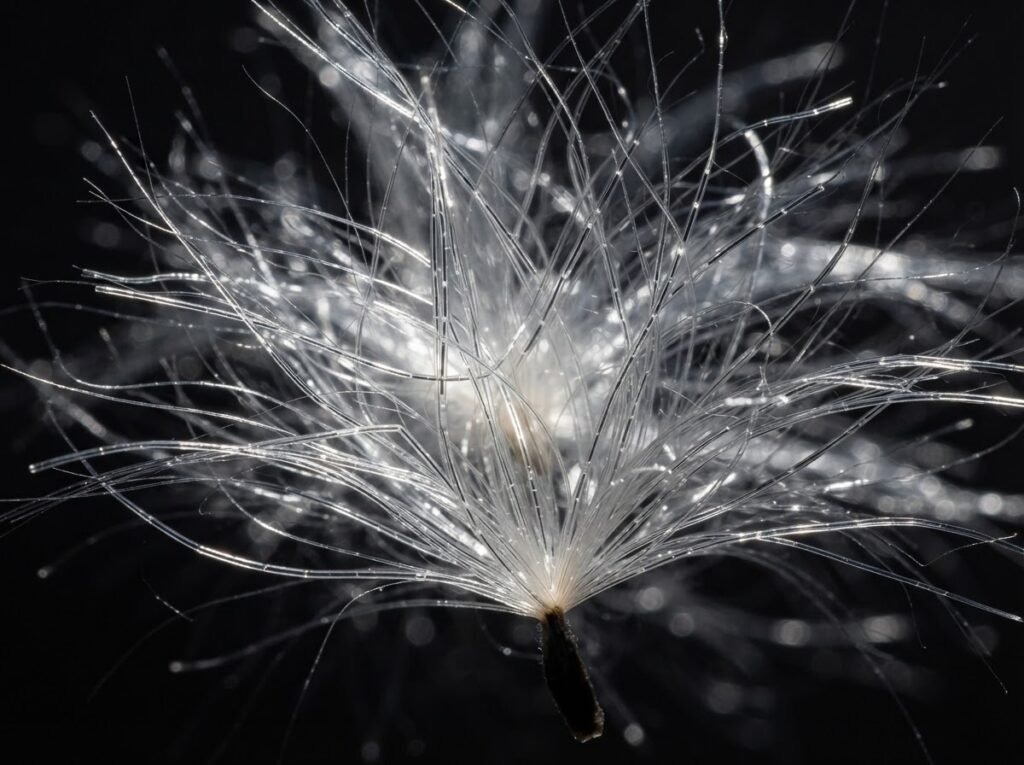
Tenzyle’s position is that the performance should come from the fiber architecture itself. Closed Cell™ Milkweed is the clearest example: its insulating behaviour is structural — a 70% hollow core — not applied.

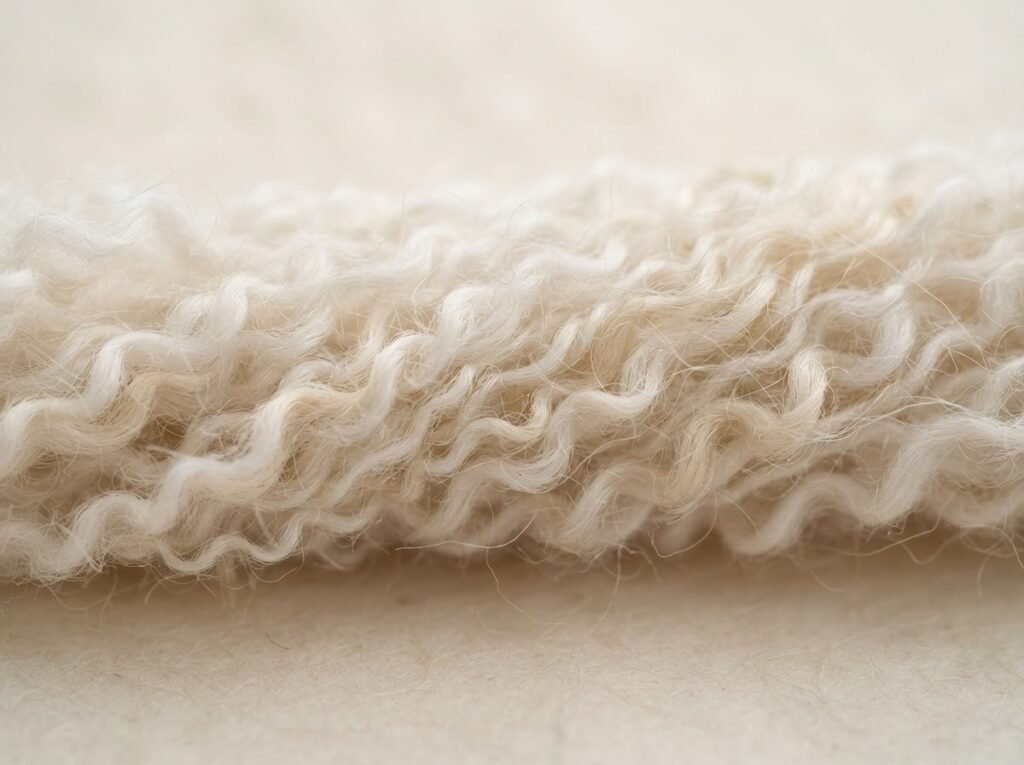
Fineness is treated as a commercial requirement, not a nice-to-have. The Milkweed platform is characterized as finer than pashmina, which is what makes it viable in next-to-skin and premium technical constructions.

Organic cotton is used as the blending base so that constructions run on conventional spinning systems, shortening the path from sample to production trial.

Section 04

Performance considerations

Only attributes relevant to this application and supported by available characterization are listed.

Weight

Hollow-fiber platforms deliver loft and insulation at very low mass.

Thermal performance

Closed Cell™ is characterized as effective to −20°C, with validation extending toward −40°C.

Flexibility

Fineness finer than pashmina supports drape and hand-feel in spun constructions.

Process compatibility

Blends built on an organic cotton base run on conventional spinning equipment.

Section 05

Potential use cases

Use-case categories under evaluation. Tenzyle does not present these as confirmed commercial deployments.

01

Performance apparel insulation

Fill and lining layers in cold-weather and technical outerwear.

02

Engineered yarns

Blended yarn constructions on an organic cotton base.

03

Technical nonwovens

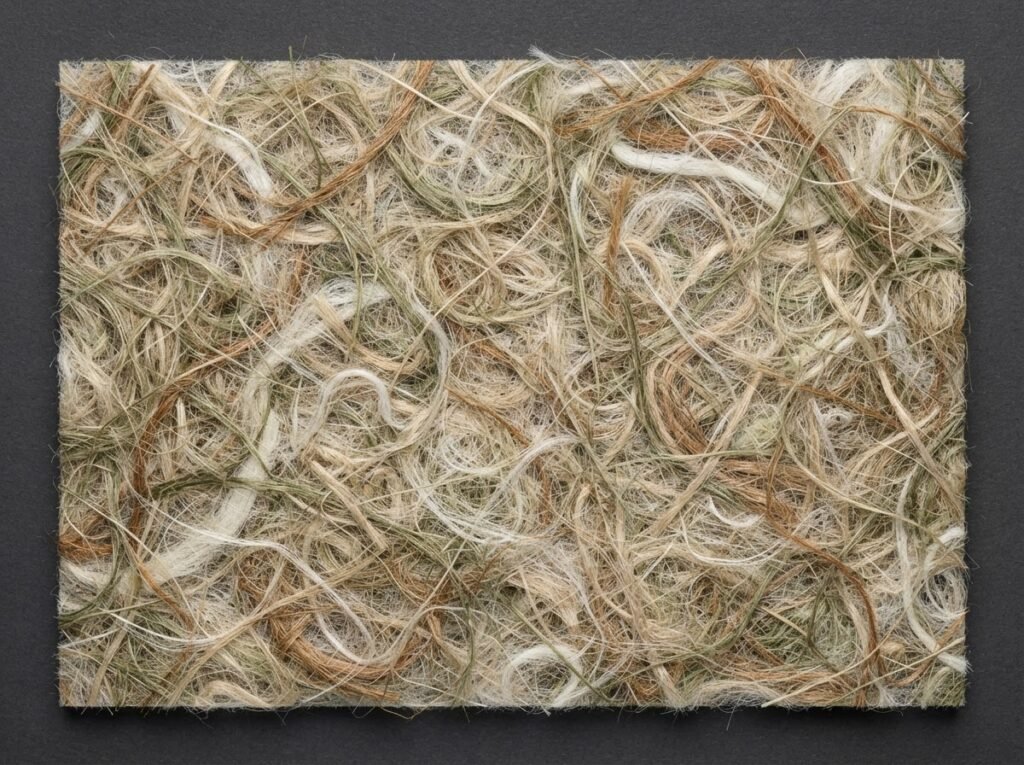
Web formats for filtration, wadding and interlining functions.

04

Protective textiles

Constructions where thermal or UV behaviour is the functional requirement.

Section 06

Technical validation

Available testing and validation information for this application area.

Closed Cell™ characterized with NITRA over nearly two decades: tenacity 25–31 g/tex, moisture regain 11–12%, fiber length 28–31 mm.

Demonstrated blends with cotton, silk, wool and recycled polyesters.

Fabric-level performance is validated per construction with the partner.

Section 07 — Technical brief

Request a technical brief for technical textiles

Share the performance requirement, the process constraint and the target format. We respond with a platform assessment and a proposed validation route.

Application questions

Applying natural fiber materials

What are the applications of natural fiber materials?

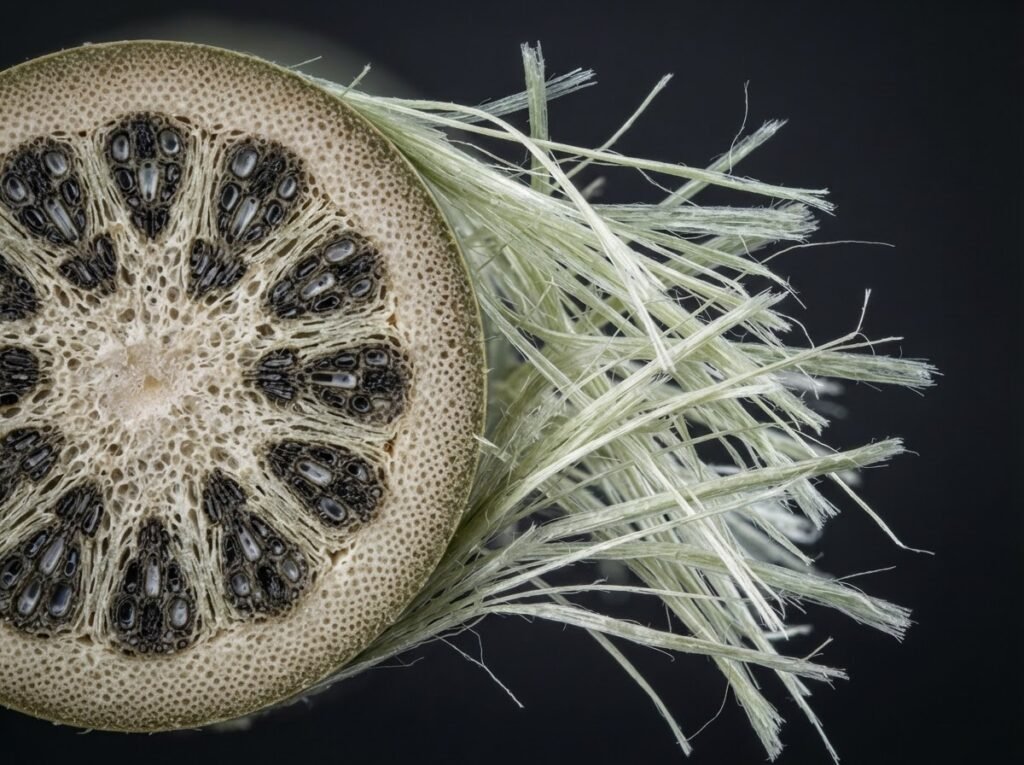
Tenzyle works across seven application areas: automotive, packaging, construction, technical textiles, insulation, composites, and wider industrial applications. Platform selection differs by application — hollow-lumen fibers where thermal and acoustic performance at low mass govern, and bast fibers where tensile reinforcement governs.

Primarily in interior substrates, acoustic packages and semi-structural panels. Hollow-fiber platforms address thermal and acoustic functions at very low mass; hemp-based reinforcement is evaluated for load-path components currently specified in glass-fiber reinforced polymer. Part-level validation is defined jointly with the OEM against their acceptance criteria.

Tenzyle publishes use-case categories rather than commercial deployment claims. Where a platform has completed characterization, the measured values and test standards are stated. Application-level and part-level performance is validated with the partner during an engagement.

Anywhere a specification can be defined in measurable terms. If a requirement does not map to one of the seven published application areas, it is handled through the Custom Engineered Blends route, where the specification is the starting point for formulation.