Home/Applications
Application areas
Material selection is an application decision before it is a material decision. A thermal requirement leads to hollow-lumen fibers; a load path leads to bast fibers; a constraint that fits neither leads to a formulated blend.
Each application area below sets out the technical challenge, the platforms Tenzyle evaluates against it, and the state of validation work.
Application index
Each area lists the governing performance considerations and the platforms under evaluation.
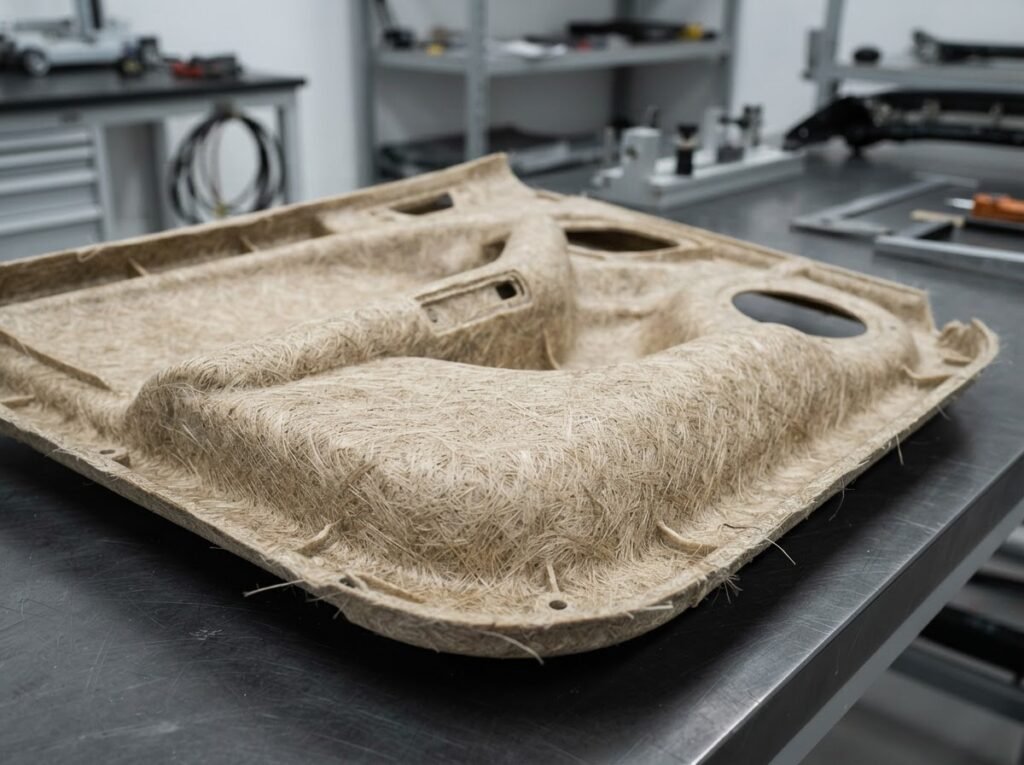
Interior substrates, acoustic packages and semi-structural panels where weight and end-of-life both carry a cost.
Relevant platforms
Kapok · Hemp · Milkweed · Natural Latex
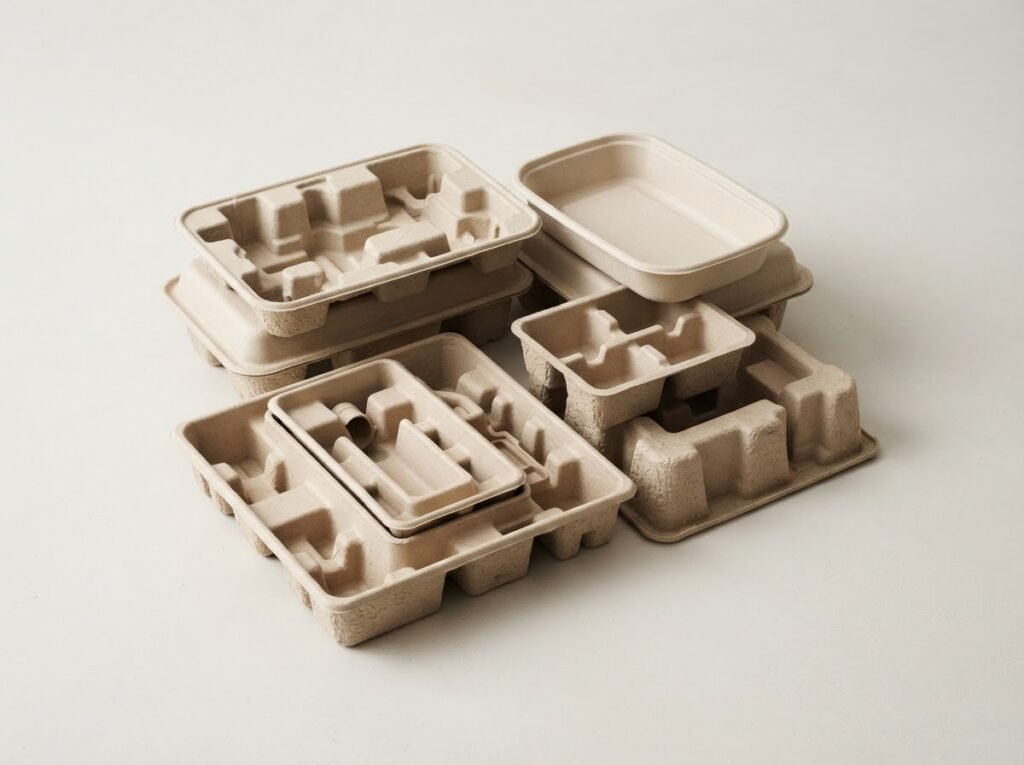
Moulded protective formats and cushioning layers for products that need protection without a synthetic foam.
Relevant platforms
Kapok · Coir & Bast · Banana Fiber · Milkweed
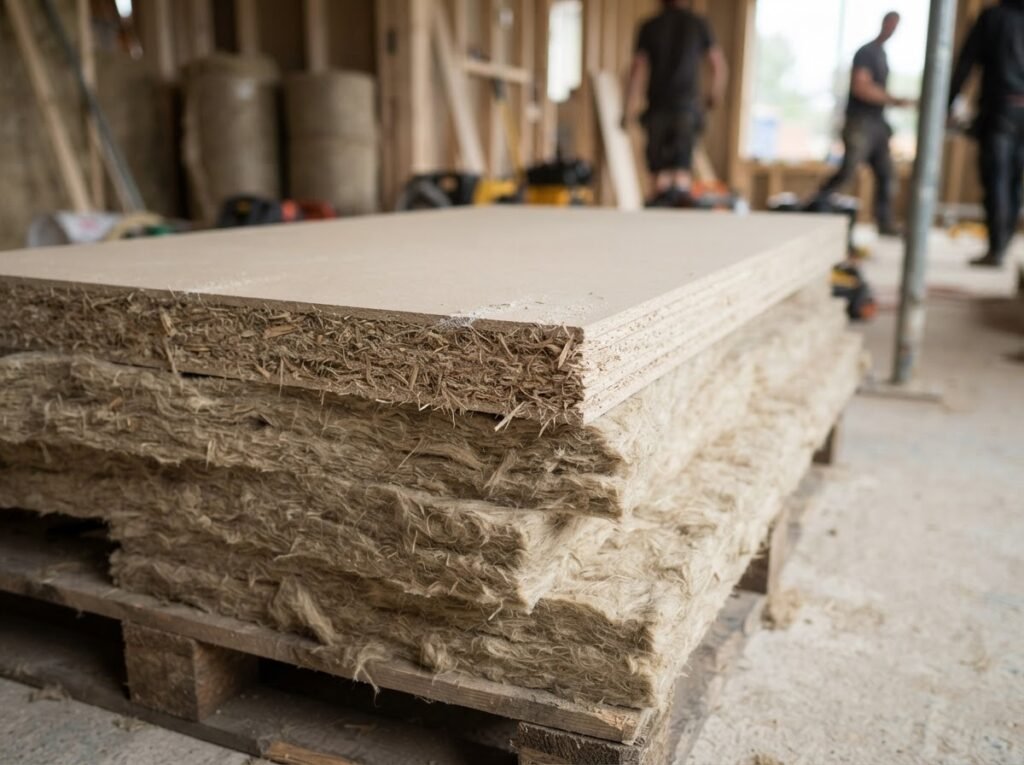
Insulation, bio-composite boards and reinforcement formats for buildings measured on embodied carbon.
Relevant platforms
Hemp · Coir & Bast · Bamboo · Kapok
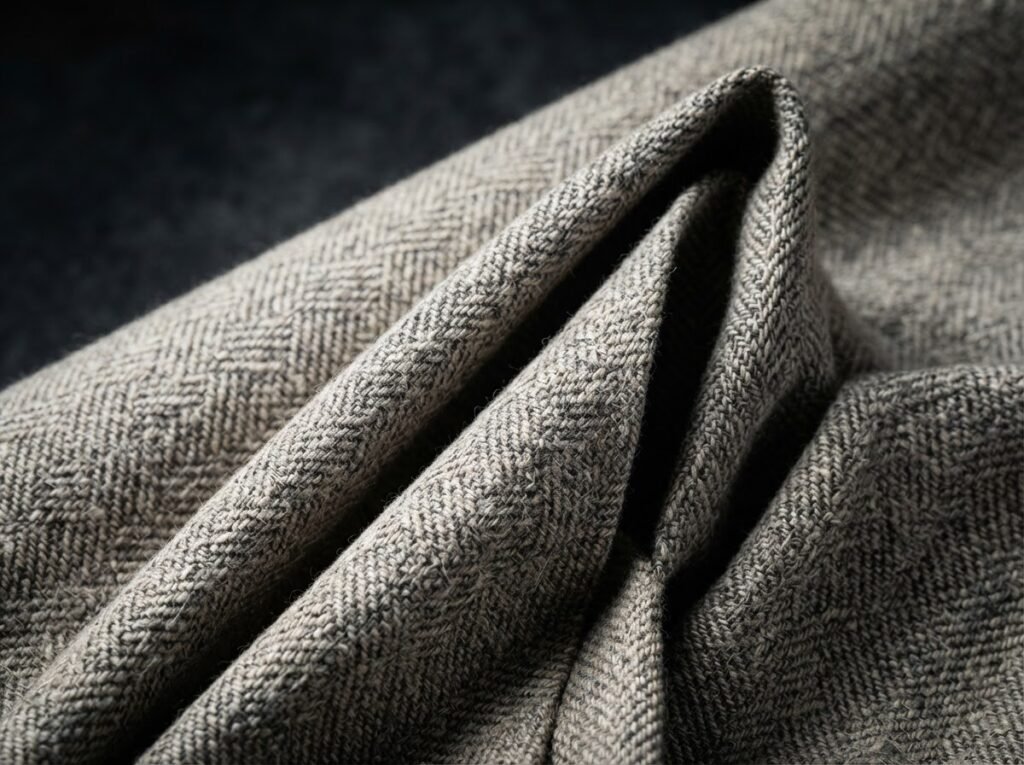
Yarns, nonwovens and engineered fabrics where the performance comes from fiber architecture.
Relevant platforms
Milkweed · Organic Cotton · Kapok · Bamboo
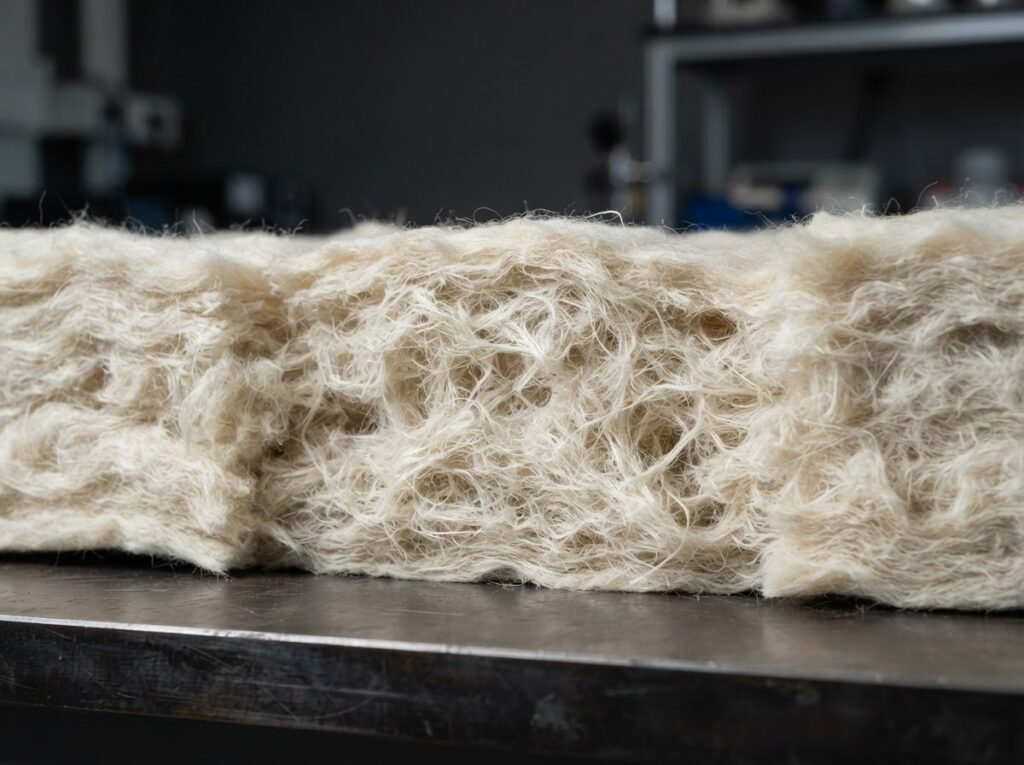
Batt, web and fill formats where trapped still air — not an additive — does the insulating work.
Relevant platforms
Kapok · Milkweed · Organic Cotton · Natural Latex
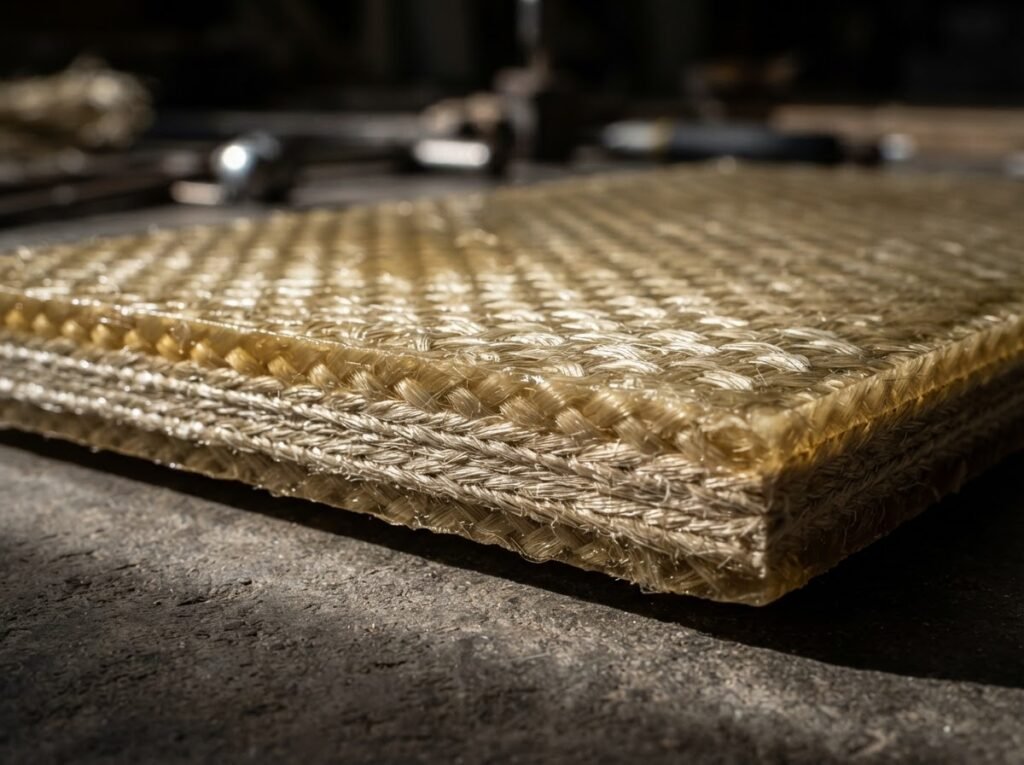
Natural fiber reinforcement for bio-based and conventional matrix systems in load-bearing parts.
Relevant platforms
Hemp · Banana Fiber · Coir & Bast · Bamboo
Filtration, geotextile, agricultural and process applications addressed through custom formulation.
Relevant platforms
Custom Blends · Hemp · Coir & Bast · Kapok
Application questions
Tenzyle works across seven application areas: automotive, packaging, construction, technical textiles, insulation, composites, and wider industrial applications. Platform selection differs by application — hollow-lumen fibers where thermal and acoustic performance at low mass govern, and bast fibers where tensile reinforcement governs.

Primarily in interior substrates, acoustic packages and semi-structural panels. Hollow-fiber platforms address thermal and acoustic functions at very low mass; hemp-based reinforcement is evaluated for load-path components currently specified in glass-fiber reinforced polymer. Part-level validation is defined jointly with the OEM against their acceptance criteria.
Tenzyle publishes use-case categories rather than commercial deployment claims. Where a platform has completed characterization, the measured values and test standards are stated. Application-level and part-level performance is validated with the partner during an engagement.
Anywhere a specification can be defined in measurable terms. If a requirement does not map to one of the seven published application areas, it is handled through the Custom Engineered Blends route, where the specification is the starting point for formulation.
Application engineering
Send the performance requirement, the process constraint and the target format — we respond with a platform assessment.