Home/Materials
Material portfolio
Explore Tenzyle’s growing portfolio of natural and bio-based material platforms and engineered solutions.
Every platform is evaluated against the same question: does it match or exceed the incumbent material it is intended to replace? Full technical data sheets are published for platforms that have cleared validation. The remainder are in active development against the same standard.

Platforms
9
Full TDS
4
In validation
4
Portfolio index
Click through to full technical data sheets where available.
Filter by development status
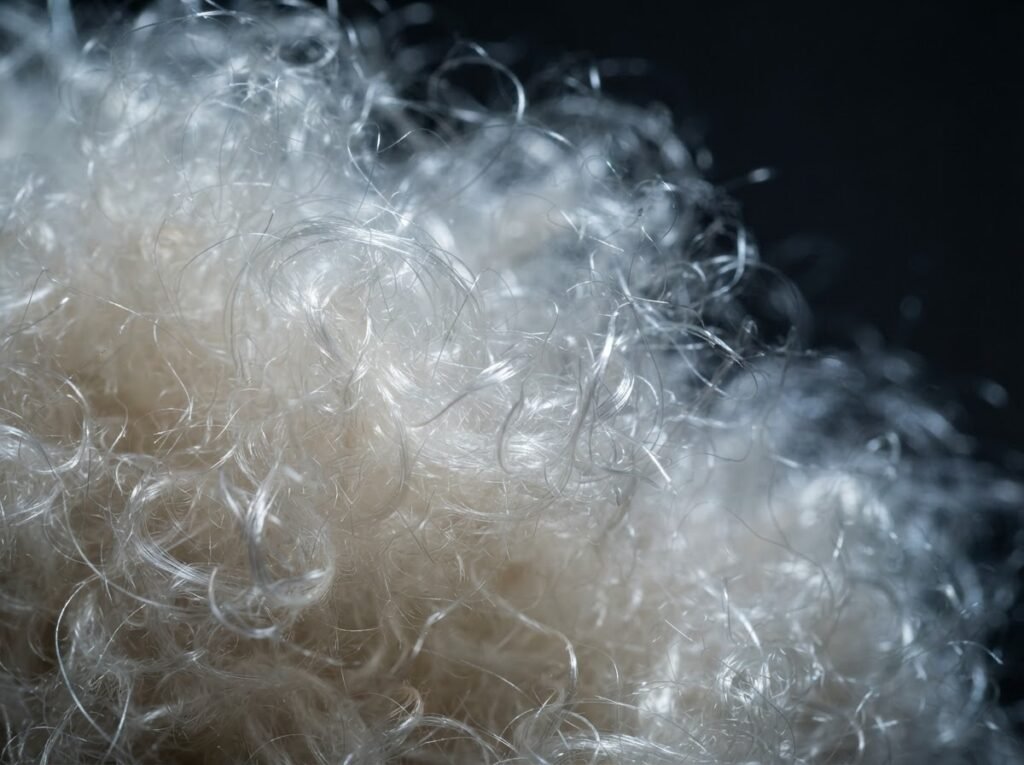
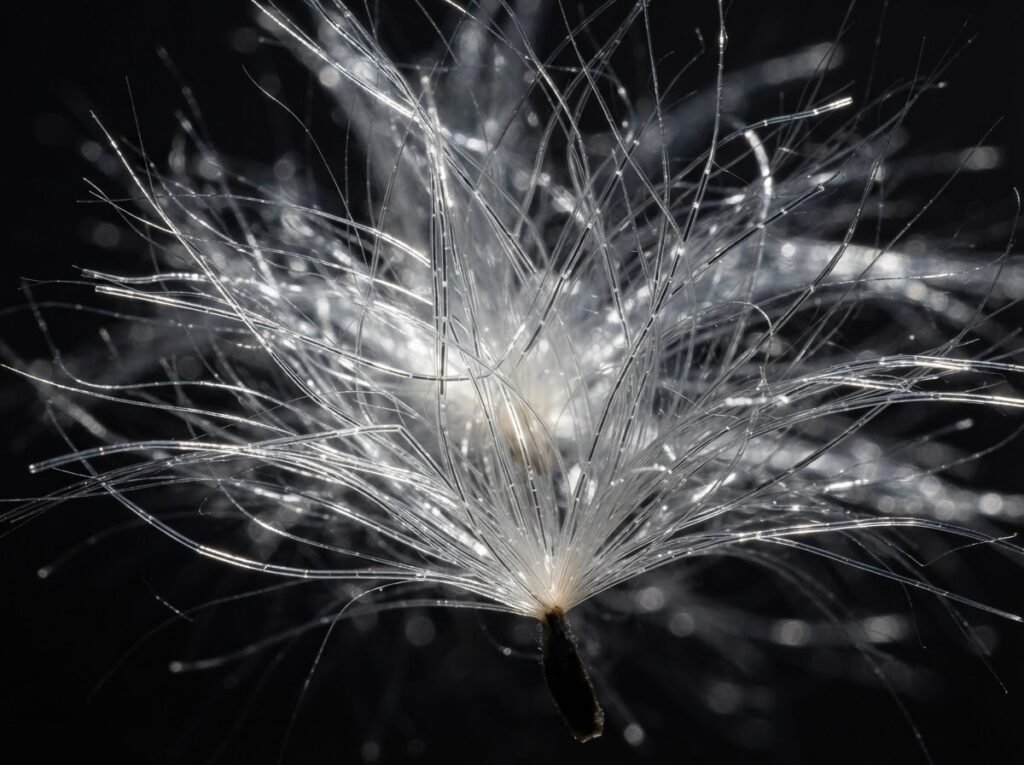
Hollow-lumen fiber studied for acoustic and thermal barrier applications where low density is the governing constraint.
LightweightHollow FiberInsulation
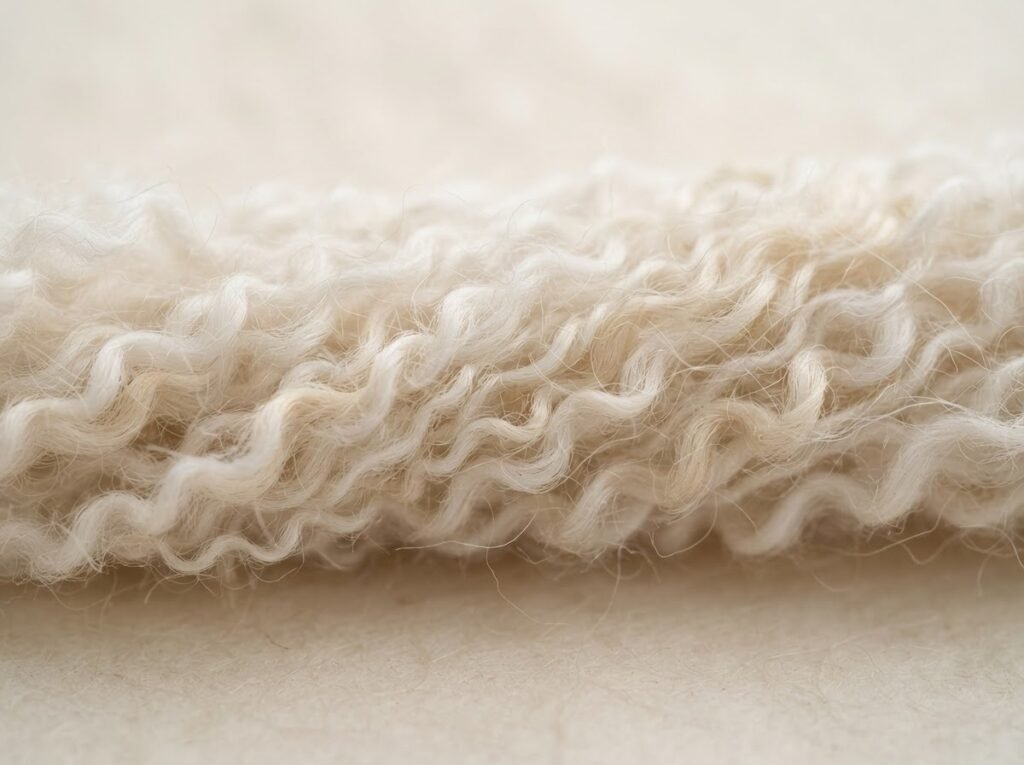
Hollow-core architecture validated over two decades with NITRA. Finer than pashmina, effective in extreme cold.
LightweightHollow StructureInsulation
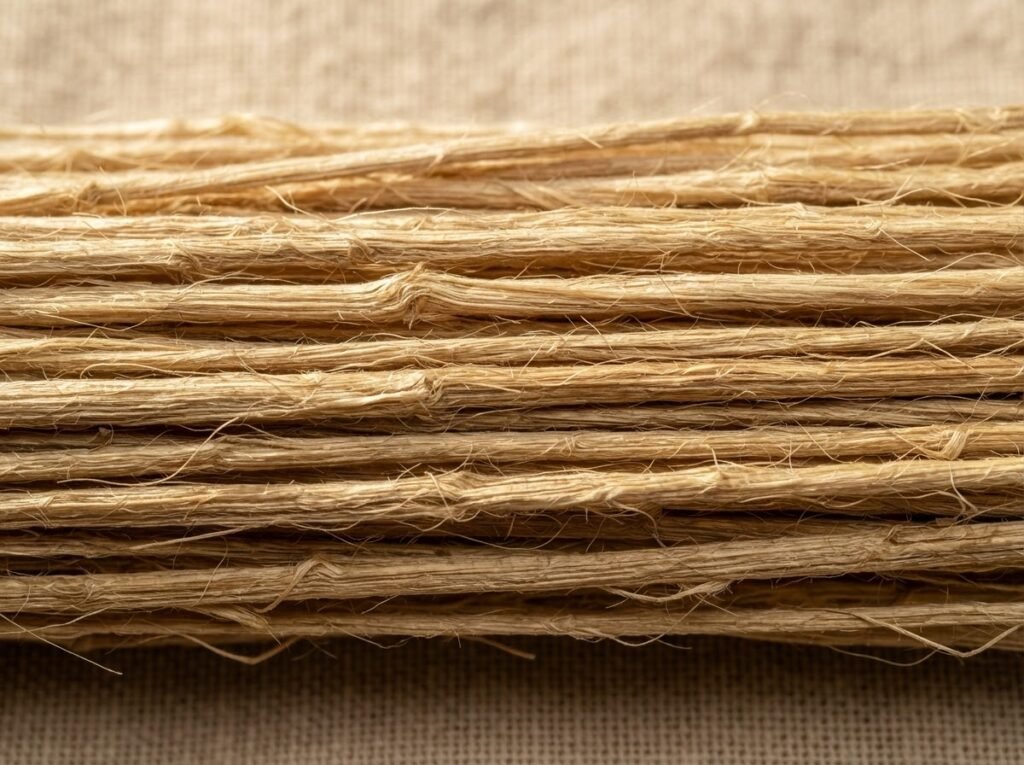
High-tensile structural bio-composite reinforcement — tensile strength up to 900 MPa for load-bearing applications.
StrengthReinforcementComposite Potential
Certified organic staple fiber used as a blending base for Closed Cell™ yarns and technical textiles.
Natural FiberTextile CompatibilityBlend Potential
Agricultural by-product fiber under assessment for structural composite and nonwoven reinforcement applications.
Natural FiberAgricultural ResourceReinforcement
Fast-renewing woody grass fiber under study for its natural antimicrobial properties and rapid regeneration cycle.
RenewableNatural FiberComposite Potential
Renewable elastomeric input used for cushioning, damping and flexible composite constructions.
ElasticityFlexibilityCushioning
Coarse, durable fibers under assessment for geotextile, matting and industrial packaging applications.
DurabilityReinforcementIndustrial Potential
Fiber combinations formulated to an OEM’s target density, tensile and thermal specification.
Custom FormulationPerformance OptimizationApplication Specific
Hollow-lumen fiber studied for acoustic and thermal barrier applications where low density is the governing constraint.
LightweightHollow FiberInsulation
High-tensile structural bio-composite reinforcement — tensile strength up to 900 MPa for load-bearing applications.
StrengthReinforcementComposite Potential
Certified organic staple fiber used as a blending base for Closed Cell™ yarns and technical textiles.
Natural FiberTextile CompatibilityBlend Potential
Renewable elastomeric input used for cushioning, damping and flexible composite constructions.
ElasticityFlexibilityCushioning
Hollow-core architecture validated over two decades with NITRA. Finer than pashmina, effective in extreme cold.
LightweightHollow StructureInsulation
Agricultural by-product fiber under assessment for structural composite and nonwoven reinforcement applications.
Natural FiberAgricultural ResourceReinforcement
Fast-renewing woody grass fiber under study for its natural antimicrobial properties and rapid regeneration cycle.
RenewableNatural FiberComposite Potential
Coarse, durable fibers under assessment for geotextile, matting and industrial packaging applications.
DurabilityReinforcementIndustrial Potential
Technical data
A Technical Data Sheet (TDS) is a document listing a material’s measured properties, the test standard each value was measured against, and the conditions of the test. A TDS is what allows an engineering team to specify a material. Tenzyle publishes a TDS only for platforms where testing is complete.
In Validation means characterization and testing work is in progress for that platform and performance values have not yet been finalised. Technical data for platforms in validation is shared on request under a technical engagement, with the state of the work made explicit.
Natural fiber composites are materials in which a natural fiber provides the reinforcement phase within a polymer matrix. Composite performance is a laminate property — it depends on the fiber, the matrix, the fiber orientation and the processing route — so Tenzyle validates at laminate level rather than deriving part performance from fiber values alone.
Material validation is the process of confirming that a material meets defined acceptance criteria under the conditions of its intended application. It differs from characterization, which establishes what a material’s properties are. Validation establishes whether those properties are sufficient for a specific use.
Material selection
Send us the target values — density, tensile, thermal, process route — and we will tell you which platforms are worth evaluating.